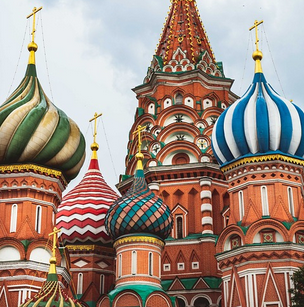
Last week we talked about how to think like a cinematographer when you are writing, and why this is important. But there is so much into cinematography and writing that I only mentioned, that I decided I must go further in depth into these. One of these is using color to your advantage. I love colors. Everywhere we look we are surrounded by them, all different shades and styles, and they all play an important part in how we feel, about ourselves, others, and our surroundings. The cinematographer uses this perspective of color to his advantage. Everyone is affected by the colors around them. Colors give off different feelings and emotions. They inspire certain thoughts, ideas, and ideals. They also have different meanings, depending on your culture. As writers, it is also important to remember this, and put it into practice. How you portray your world through the colors will affect how the reader sees it, and it will make it easier (and more exciting) to get certain things across without having to simply state them.
Why Is This Important?
Before we dive into the meanings of color and how you, as a writer, can use them to your advantage, we must ask the question, why is it important for a writer to use color symbolically? Why can they not simply have a normal world and describe it as such, without bothering about the symbolism? First of all, color does not have to be used symbolically. There are many different ways to use color. Most of it can be symbolic, but sometimes it is simply necessary to accurately describe the surroundings to a reader. A grey sky and an azure sky create completely different images in the mind of your audience, though the subject is the same sky, no matter what color you give it. A black cloud, a silver cloud, a stark white cloud. These all give different ideas, though, again, they are just clouds. Secondly, there is a great deal of color used in our language that we might not realize. They usually come in phrases, such as ‘out of the blue,’ ‘a brown study,’ ‘green thumb’ or other such things. While these might not be particularly useful or important to you, it can be good to keep these in mind. Thirdly, and most importantly, symbolism through color gives depth to your story, a depth that only color can bring out.
The Meaning Behind The Color
When I was very little, we had a book about medieval life. My favorite part was where it talked about heraldry, and all the colors that went into making banners, flags, coats of arms, et cetera. I went much further as I grew older and learned a great deal more about them, and I encourage you to do your own research into this fascinating history of colors and their meanings, but I will give here some colors, their meanings, and a little about them.
Red – Courage
The heart, the blood, the flush of the face when excited, passionate, intense. Red shows passion, sometimes fury, and great courage.
Blue – Loyalty, Strength
Steady, strong, true, not bursting forth like red, perhaps like water, a steady course, unchanged.
Green – Youth, hope, vigor,
Every healthy plant has green. Young shoots are green. Green shows life, joy, the expectancy of growth.
Yellow/Gold – Wealth, generosity
This is very easy to see. Gold means wealth, and wealth is often used negatively. But in a good context, a wealthy man is only wealthy because he is responsible, has a good work ethic, is industrious. He has enough wealth that he can share it with others. Not specifically mentioned with heraldry, but yellow can also represent strength and life, like the sun.
Silver – Wisdom
Silver hair, a symbol of age, knowledge, understanding, and experience. The wise man (such as the Gandalf figure) has silver hair.
White – Purity
It is unblemished by stains. It has been kept clean, pure, in spite of everything. The bride wears white at her wedding for this exact reason, to show purity. A white dove is a symbol of peace and purity and holiness. A white lamb is the same.
Purple – Royalty, Power
Purple was one of the rarest colors in the medieval era. It was exceedingly hard to get, and as a result, only the wealthiest could afford it. This naturally made it a color relating to royalty – for they were the only ones wealthy enough to actually wear it – and through royalty, power.
Black – Wisdom, prudence, constancy in beliefs
Black is often portrayed as evil, negative, morose, and gloomy. But there is a positive side to it which most people are not familiar with. This color is often shown on evil knights or the standards of sinister lords, but it can also be the color of the habit of nuns and monks, emitting an aura of wisdom, knowledge, piety, and true belief.
There are many other colors not so well-known which bear their own meanings, which is why I advise you study it more in depth yourself, but this is what each more familiar color generally meant. And in making flags and banners after the medieval way, this is what you would go by. A flag, standard, or coat of arms was used to let everyone know what you stood for, what were your values, and was also used to signify different noble or royal families. But there is a different side of color, where the meaning portrayed is far more sinister.
Red – Blood, foul passion
Red is always associated with blood and intense feelings. And just as it represents courage, it also represents violence. Spilled blood, indicating death, a violent character with no thought of life. It represents the emotional heart and romance, which is easily perverted.
Blue – Sadness, cold
Blues, feeling blue. Feeling down, discouraged, sad. Rain and cold are both associated with the color blue. Stagnancy, lack of movement, slowness of the blood flow, the blue or purple color that comes to the face when you are cold.
Green – Jealousy, sickness
‘The Green-eyed monster’ used in Shakespeare’s Othello. ‘Green-eyed jealousy’, also used by Shakespeare, though a little earlier. ‘Green about the gills’ meaning someone turns greenish when they are sick or feeling unwell. While green can be used for youth and vigor, it can also be used for almost the opposite.
Yellow – Cowardice, sickness
Similar to green, people can take on a yellowish hint when they are sick. Where yellow came to mean cowardice, I do not know, but it is often used that way, such as in the term ‘Yellow-bellied,’ meaning cowardly. Yellow is a generally unnatural color, especially on a human being. While yellow can portray life and light and happiness, it can also have a sickly portrayal, such as in vomit.
Black – Sorrow, misfortune
Darkness, grim, morose, ‘a dark look’, indicating anger. No light, nothing to go by, the feeling of being lost. A night without moonlight is difficult to walk in. This could be why black alone can be seen as grim, while black with silver can be seen as royal.
White – Death, emptiness, cowardice
‘Lily-livered.’ Have you ever heard this term for cowardice? It comes from the middle ages, when the idea of yellow bile in the liver, which held courage, was used or drained, leaving the liver colorless, or white. It is an emptiness, a void. ‘White as a sheet.’ When someone goes white, they are overcome by fear, their courage leaves them. They are empty, in a sense. When someone dies, they turn white. The blood is gone from their face. Emptied.
Purple – Foul pleasure and luxury
The connection this color has with royalty immediately connects it with unlimited power, and those who bear unlimited power may do all they wish without immediate consequence. This gives purple, in its negative context, a meaning of reckless, selfish, and unchecked luxury and pleasure. One can do all they wish, why not do it?
Gold and Silver – Greed
Though very little used as a negative, these two colors can be used to denote or inspire greed. The miser counts his gold and silver, and does not use it.
These colors suddenly have a new meaning, hardly befitting the chivalresque knight or noble lord. More often used in films, they can be used as instant warning signs for the audience. In the medieval fantasy, anyone in red and black is naturally an enemy. A woman in white has a hint of the ghostly, while a woman in red is to be avoided for her natural charms. These colors can also be used as a contradiction or surprise, showing that what you expected through the positive side of the color is not true. The truth lies in the negative side.
Ways To Use Color
Color plays an important part in cinematography. It should also do so in writing. There are thousands of ways, subtle and not, to use colors to your advantage. I will try not to mention all of them, though I might find in the end I will have to write a second article on using color. We shall see.
Contrast
Contrast can have two different meanings, one pleasant, the other not. You can use color in both ways. The pleasant meaning of contrast is where you have a softer color and a bolder color together, yet the bold color does not blanch the softer. Almost any bold color and gold make a good contrast (red and gold, blue and gold, green and gold, black and gold, even white and gold.) The softer color does not always have to be very soft in itself, but when contrasted with the bolder color, it gives off the feeling of softness. On the other hand, the negative meaning of contrast can be two different things: One, strictly color-wise, I will explain in the ‘clash’ section of this article. The other, with a more metaphorical meaning, is the contrast between the color and the wearer/surrounding. This is sometimes used in movies, where the enemy, strangely enough, is in white, perhaps paired with gold, while the ally wears black, perhaps with silver. Taking white as the symbol of purity, it is ironic that the enemy wears white. Taking white as the symbol of death, it is fitting. It is the same for the ally in black. Black can both mean death, and constancy. And that is where the contrast comes in. Use the irony and the second meaning to let the audience fully appreciate the characters.
Compliment
Compliment and contrast can go hand in hand, but not always. Two light colors, if they are the right colors, can compliment one another without being in contrast with one another. You can use colors in your writing to compliment the personality of the character you are focusing on. Blue, white or silver is often used for the wise and majestic, while red is used for the warrior or the cheerful. If the color of the clothing can match and portray your character’s personality, use it to it’s full potential, to delve the reader deeper into your story.
Clash/Chaos
Clashing colors are often used in a negative connotation. At the very least they bring chaos to mind. If you have children or siblings, you have likely seen this before. They wear one color and then another that does not fit with the first, and perhaps yet another, and they cannot compliment each other and they stand out. This is a clash in colors. The clash of colors vs. personality can also be used. A quiet or shy person wearing bright colors is a strange combination, and shows that something is amiss. It immediately piques the reader’s interest. Chaos and conflict make a story. You can help increase the conflict in your story by using color.
Life
A tropical reef. Think of all the colors there. Vibrant and living and joyous and dazzling to the eye. Color can be used as a symbol of life. Movement, spirit, vigor, a kind of youth and joy in life itself. People in vibrant colors are perceived as lively and youthful.
Absurdity
We all know of the jester in colorful garb, the clown with the orange wig, the red nose and the colorful and silly clothes. Many colors all focused on one entity, with different shapes and sizes and patterns without particular compliment or focus, smacks of the imbecile and comical performer. It also, as said above, shows a sign of life, but with silliness. Someone who does not care about their appearance and simply wishes to have a good time, by making people laugh, even if it is at them, will make use of this motley attire. And so should you.
Eccentricity
I do not know where the idea of the middle-aged woman in magenta with red cat-eye glasses and bright make-up came from. Perhaps you have never seen this, I myself do not know where I first saw this, but it has somehow stuck with me for a long time. These colors and styles are the ones most people would not wear in public. It stands out far too much and could be seen as silly or ridiculous. But that can be used to your advantage as a writer. To immediately show your reader the eccentricity of this character/location, use outstanding colors, similar to how you would use colors to show absurdity.
Reality/Lies
Used in a positive context, the colors that a person wears can be used to show who they really are, in spite of how they act. It can also be used similarly, to show who they will, or should, become at the end of the story. As for ‘Lies,’ a negative context of the same idea, the colors worn by a character can also be used to make others think that that character is something, when they are in fact something else.
Progression/Regression
You might have seen movies where a character is wearing dull and dark colors at the beginning, or their surroundings are dark and grey, and this mirrors their own person, their thoughts and feelings. Then at the end, after through a series of trials they have learned more about themselves and who they should be, they wear bright colors. Perhaps not too bright, but much brighter than the blacks and greys they had worn before. This is a sign of progression, showing through obvious color the change in themselves. Similarly, a character might, in their lowest time in the story, wear black, or dull colors, showing how they have fallen into themselves, portraying their emotions and regression through color alone.
There are other ways you can use color to show your audience what you want them to know. Also, it is best to keep in mind that not all cultures have this perception of color. If you watch Chinese or Japanese films, when they use color symbolically, it does not necessarily match the above definitions and ideas. That being said, use the different meanings of colors in different cultures to enrich your story.
Where To Use Color
We have talked about why it is important to use color in your story. We have talked about some of the meanings, both positive and negative, behind each color, and we have talked about different ways one can use color. But now, where to use the color? There are many places to use color, but here are just a few.
Clothing
For succinctly describing a character’s personality, the easiest way is through what they wear. There are many ways to do this, and the kind of personality will determine the color, and the shade of the color. The following examples are clichéd, but it will appropriately get across the point. A man in black. A woman in red. A young woman in white. A man with a red cape. A red feather in the cap. Can you tell, simply by the colors worn, what the personalities and stations in life of these characters are? If you can show, just through the color of clothes that a character wears, what they are like, you have already immersed your reader.
Physical Appearance
It is true that looks can be deceiving, but that word ‘can’ is very important, and there is a reason there are things such as first impressions. First impressions are just as important in writing as they are in real life. A character will, normally, have the outward appearance of what they look like inside. Their personality can even be affected by their physical appearance. Someone with red hair and freckles is more likely to be outgoing, if not a little fiery. This is not simply due to a stereotype. There are exceptions, of course. The red-haired one could be shy. But there are different types of shyness that go with different colors. And it is important to keep in mind that you are writing a story. Stories are not simply history books put into a more active voice. A story, just as with a movie, uses its own ways of showing the reader what the writer wants. Giving meaning to your character’s hair color and eye color can be a tremendous asset to you as the writer.
Buildings
The colors of the walls, the roofs, the doors, and the windows can be a good way of showing the reader the feel of where your character is. Are they in a bright city? The slums? A peaceful village? What would be the difference in color in a lord’s mansion as opposed to the same mansion, yet abandoned? How could you portray a loneliness and abandonment through color? How can you portray life and vigor, through color?
Landscape
Green and growing? Lush fields or forests? Or a desert, dry, bare? Or a stony mountain? Is there snow? The terrain surrounding your character can be a powerful weapon in your favor, if you use it correctly. Part of using it correctly is giving it color. Are there flowers? Don’t just say ‘there were flowers.’ Describe the flowers. Give them color. Blue flowers? Yellow, pink, purple? The reader will get a picture a different type of flower for every color that is mentioned. Now, the reader’s experience will affect their imagination, but that cannot be helped. As the writer, it is not your duty to let the reader see in their head precisely what you see in your head. It is your duty to get across the idea to the best of your ability, to give the depth and meaning of your story, to show them the feel and emotion that surrounds this character. And it can be done through color.
Conclusion
Color goes deeper than just the hue itself. Every color has its own meaning, and when done right can be used effectively to get across ideas, even very subtle ones, to your reader, without your having to explain everything to them. It brings richness and depth to your story. Color surrounds us. The different meanings of each color have been ingrained in us since we were very young. Use that to your advantage.
 gwynna.c
Leave a comment